The Dynamics of Bonus Game Additions in European Lottery Formats
Amir Krüger · Aug 23, 2026
The Dynamics of Bonus Game Additions in European Lottery Formats
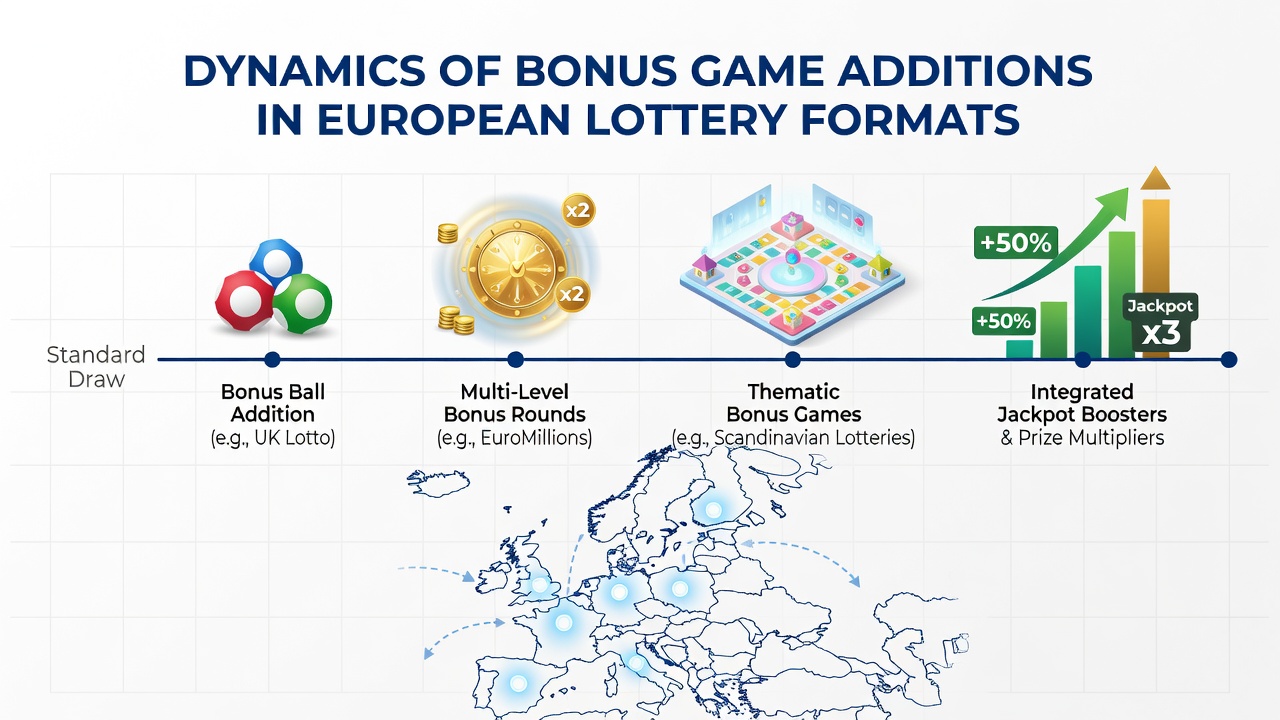
European lottery formats have evolved through the steady integration of bonus game additions that expand basic draw mechanics while creating new layers of participation and prize allocation, and these modifications often combine standard number selections with supplementary features such as extra balls, multiplier options, or separate raffle elements that operate alongside primary jackpots. Observers note that such additions reshape revenue distribution patterns because they allow operators to adjust odds and payout frequencies without altering core ticket prices, while data from regulatory filings across the continent indicates gradual adoption rates that vary by national market size and player demographics.
Historical Development of Bonus Features
Bonus game additions first appeared in several national lotteries during the late 1990s when operators sought ways to sustain interest after initial growth periods plateaued, and early implementations in countries like Spain and Italy introduced supplementary draws that awarded fixed prizes drawn from a separate pool rather than the main jackpot. Researchers have documented how these features spread northward through the 2000s as cross-border games such as EuroMillions incorporated similar elements, and by the mid-2010s most major European formats included at least one bonus layer that triggered additional winning combinations on the same ticket purchase. The pattern shows consistent expansion because each successful addition correlated with measurable upticks in weekly sales volumes according to industry association reports.
Current Implementation Patterns Across Markets
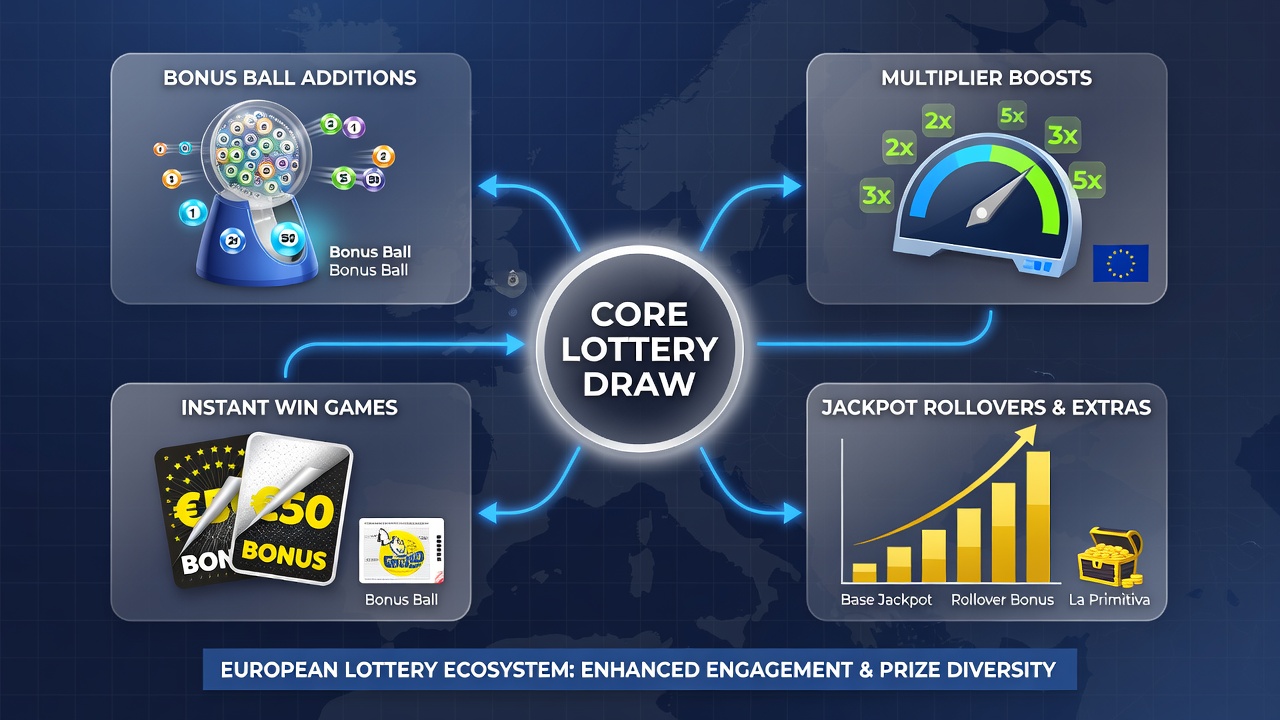
Modern European lotteries deploy bonus additions through distinct structural models that reflect local regulations and player preferences, and one common approach uses an extra number drawn from a separate drum to create secondary prize tiers that pay out more frequently than the primary jackpot. Another model applies random multipliers to lower-tier wins, which increases average returns per ticket without changing the underlying probability calculations for the main prize. Data shows that lotteries in Germany and France have refined these systems over successive years to balance excitement with responsible play guidelines, while smaller markets tend to adopt simpler bonus draws that require minimal changes to existing infrastructure.
Impact on Participation and Revenue Dynamics
Studies of ticket sales before and after bonus introductions reveal consistent patterns where initial spikes occur followed by stabilization at higher baseline levels, and this trajectory holds across multiple jurisdictions because the added features provide more frequent reinforcement for regular players. Revenue analyses indicate that bonus games contribute disproportionately to lower and mid-tier prize payouts, which in turn supports overall game sustainability by reducing jackpot rollover frequency and maintaining weekly engagement. In August 2026 several operators plan coordinated updates to their bonus parameters as part of scheduled system reviews, and these changes will test whether further refinements can sustain growth amid shifting digital consumption habits.
Regulatory Considerations and Cross-Border Effects
European regulatory frameworks require operators to disclose bonus game probabilities and prize allocation methods in clear terms, and compliance documentation from multiple national authorities demonstrates that transparency measures have become standardized across the region. Cross-border games face additional coordination challenges because each participating country maintains its own rules on how bonus features interact with local tax and consumer protection statutes. A report issued by the European Commission on lottery market structures highlights these coordination needs, while research published through academic channels at institutions outside the primary EU markets provides comparative data on how similar additions perform in non-European contexts. Those analyses help operators anticipate player responses when new bonus elements are introduced.
Player Behavior and Engagement Metrics
Behavioral tracking data collected by lottery operators shows that bonus game additions increase the average number of tickets purchased per player per draw cycle, and this effect appears strongest among participants who already engage weekly rather than occasional buyers. The added features also correlate with higher retention rates over multi-month periods because they create more frequent small wins that reinforce continued participation. Analysts examining anonymized transaction records find that the timing of bonus draws relative to the main event influences how players allocate their spending across different formats.
Conclusion
Bonus game additions continue to shape European lottery formats through incremental structural changes that balance operational requirements with player expectations, and ongoing developments scheduled for 2026 will provide further evidence on how these features evolve in response to technological and regulatory shifts. The documented patterns across multiple markets demonstrate that such additions function as tools for maintaining long-term viability while adapting to diverse national contexts.